Gut instinct: faecal microbiome as a predictor of chemotherapy-associated adverse events in dogs
This project will investigate the impact of chemotherapy on the intestinal microbiome and explore whether pre-treatment microbiome signatures can predict the risk of developing chemotherapy-related adverse events in dogs.
Challenge
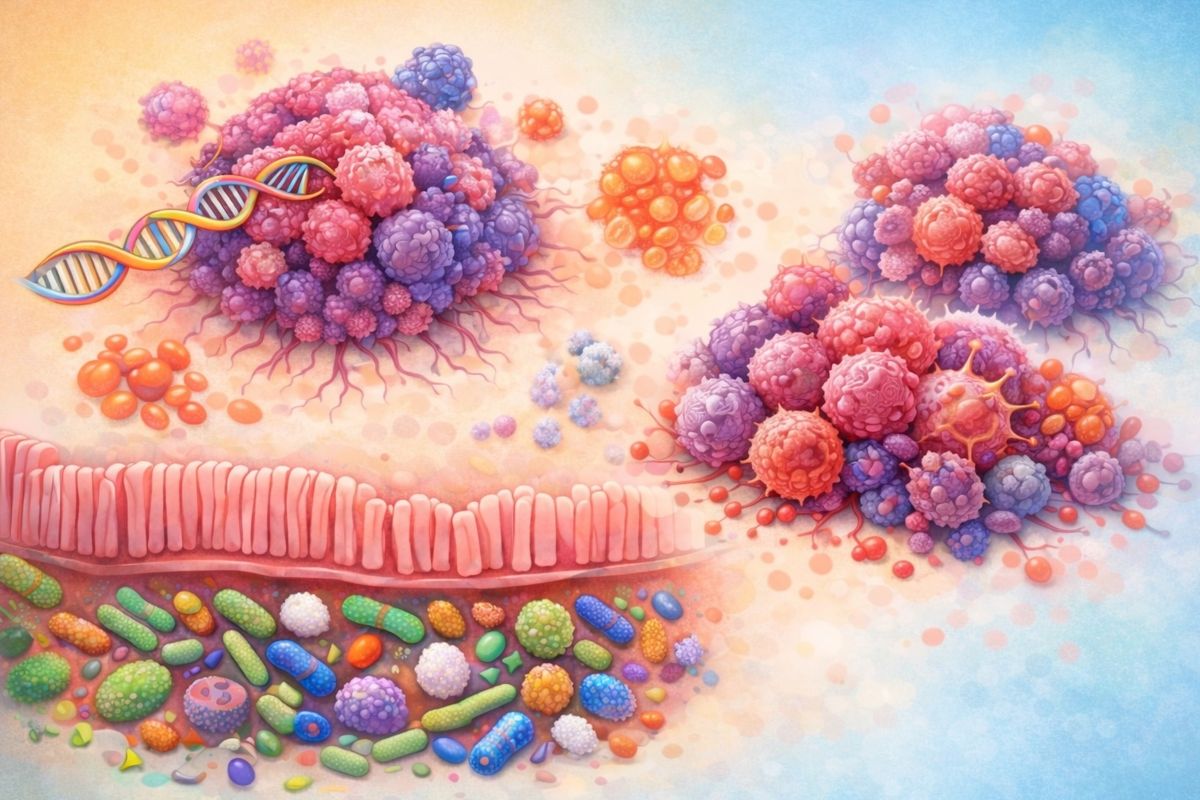
The faecal microbiome is increasingly recognised as an important modulator of cancer biology, chemotherapy efficacy, and treatment-associated toxicity. In human oncology, pre-treatment gut microbiome composition has been shown to influence both therapeutic response and the risk of adverse events, particularly gastrointestinal and haematological toxicity. In veterinary oncology, however, this relationship remains poorly characterised. Emerging evidence suggests that intestinal dysbiosis – disruption of the normal microbial community – is common in dogs with cancer and may be further exacerbated by cytotoxic chemotherapy. A lack of predictive biomarkers means that chemotherapy tolerance in canine patients is difficult to anticipate, limiting opportunities for risk stratification and preventative intervention.
Solution
This prospective cohort study aims to determine whether faecal microbiome characteristics can predict chemotherapy-associated adverse events in dogs with cancer, and to assess how chemotherapy itself alters the intestinal microbiome. Forty client-owned dogs newly diagnosed with cancer and commencing maximum tolerated dose chemotherapy will be enrolled. Faecal samples will be collected prior to treatment initiation and again 7 – 10 days after the first chemotherapy administration.
Samples will be analysed to generate a validated dysbiosis index and to quantify the abundance of key bacterial taxa associated with intestinal health. Chemotherapy-related adverse events, including gastrointestinal and haematological toxicities, will be systematically recorded for up to three months using validated criteria. Statistical modelling will be used to explore associations between baseline microbiome parameters and toxicity outcomes, as well as longitudinal changes in microbiome composition following chemotherapy exposure.
Impact
This research will provide novel insight into the role of the faecal microbiome in shaping chemotherapy tolerance in canine cancer patients. By identifying microbiome features associated with increased toxicity risk, the study aims to support the development of predictive tools for treatment-related adverse events. In parallel, characterising chemotherapy-induced shifts in microbiome composition will improve understanding of treatment-associated dysbiosis and its potential clinical consequences.
Ultimately, these findings may inform future strategies for microbiome-guided risk stratification and targeted interventions, such as dietary modification or microbiota-modulating therapies. Such approaches have the potential to reduce treatment morbidity, preserve quality of life, and improve therapeutic outcomes for dogs undergoing cancer chemotherapy, while also contributing valuable comparative insights relevant to human oncology.
Partners
Funded by RVC Launchpad Scheme